The Sound of Cedar and Water: Solitude in Higashiyama
An introspective survey of Kyoto's eastern slopes before the tour groups arrive, where centuries of architectural mastery celebrate impermanence.
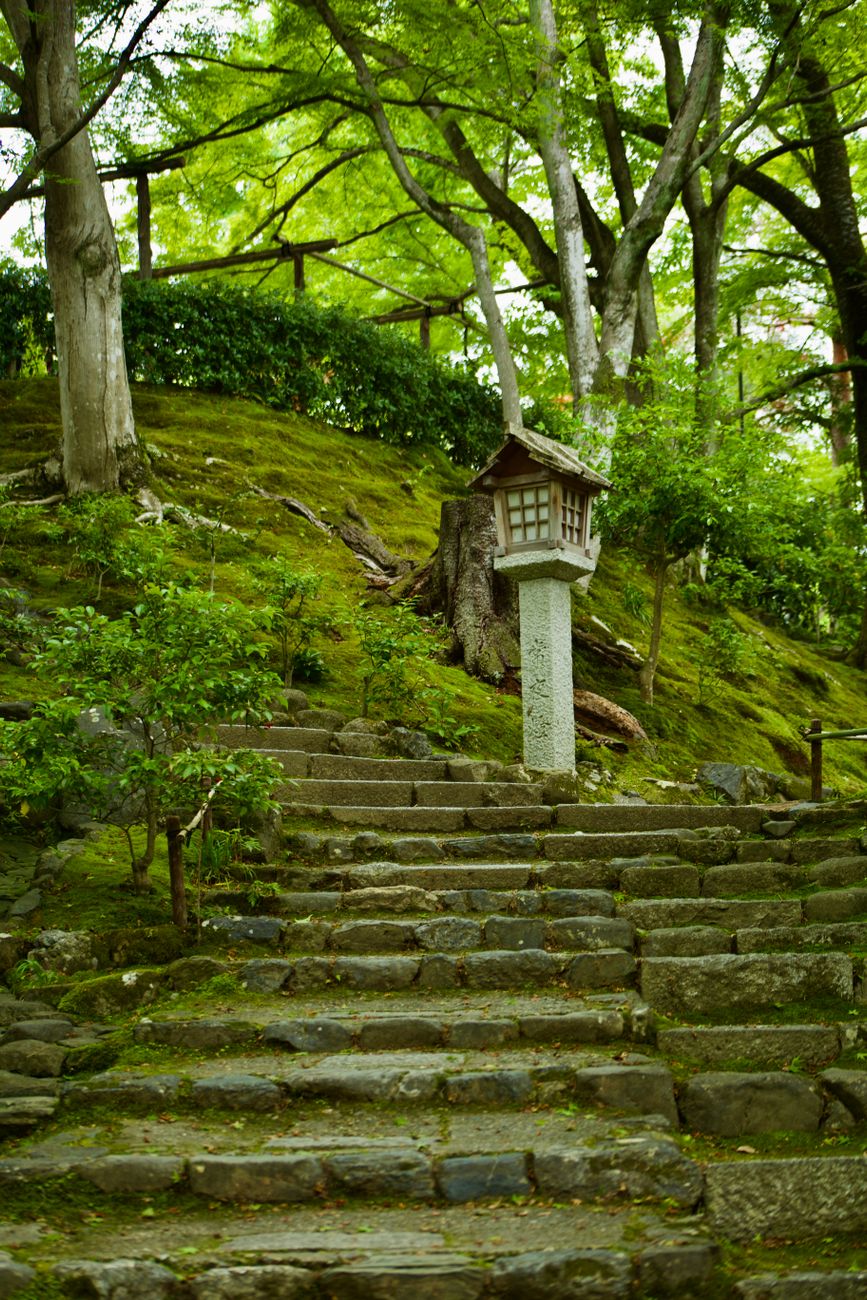
At dawn, the mist hangs low over the forested ridges of Higashiyama, wrapping the wooden pagodas in a quiet gray shroud. To experience Kyoto in its authentic cadence requires an early waking hour—before the tour coaches fill the avenues and before the shuttered merchant stores slide back their heavy latticed screens.
We walk along the narrow stone alleyways of Shirakawa canal, where the clear mountain stream ripples gently past overhanging willows. Every threshold is washed with fresh well water, an ancient gesture of hospitality and purification known as uchimizu. The cedar timber smells faintly of rain and resin.
"True refinement does not shout across a plaza. It resides in the grain of raw cryptomeria wood, the curve of a bamboo water spout, and the unhurried pouring of boiling kettle water."
The Architecture of Emptiness
In the quiet grounds of a 14th-century Zen sub-temple, the dry landscape garden (karesansui) demands total stillness. Fifteen stones rise from a sea of meticulously raked white gravel. From whatever vantage point on the veranda one sits, at least one stone remains visually concealed—a deliberate design reminding the observer of the limits of mortal perception.
Later in the morning, we sit with Master Kenji, a fifth-generation ceramicist whose studio sits within an old townhouse with earthen walls. His wood-fired tea bowls (chawan) bear irregular textures and deliberate imperfections. For him, beauty is inextricably linked to transience.
Editorial Travel Advisory: Kyoto
- Best Season: Mid-November for maples or late April for fresh green foliage without peak congestion.
- Stay: Seek historic Machiya wooden townhouses within residential preservation corridors.
- Etiquette: Refrain from photographing private geiko quarters and walk with low voices near active monastic sanctuaries.